

This year has been...challenging. Most of our business-as-usual assumptions have changed. The world has changed, really, and trying to meet this moment can feel like playing whack-a-mole at warp speed. I don’t want to minimize that feeling. It’s real, AND we can’t dwell there, either. To paraphrase Talmudic wisdom, we can’t be overwhelmed by the challenges we face, nor can we ignore them.
I choose to start in my own community, and that’s a big part of what drew me to PCC. When I served as Chair of the Nexus Montgomery board, I saw how PCC creates the infrastructure to support strong partnerships. The sweet spot for Nexus Montgomery, as with all PCC programs, is making the kind of change no single organization could on its own, and we relied on PCC to operationalize that ethos. PCC helped us transform a vision of community health into change we could measure, into a difference we could see.
This year, we’ve brought that energy to the annual report as well. With our new strategic plan in place as of January 2025, we framed this report around how we are translating words on a page into programs, actions, and results. What I hope you’ll see here is meaningful work done by people who remind you of yourself. I hope you’ll see how much partnership – across a wide range of organizations – can really do.
Sincerely,
Annice Cody


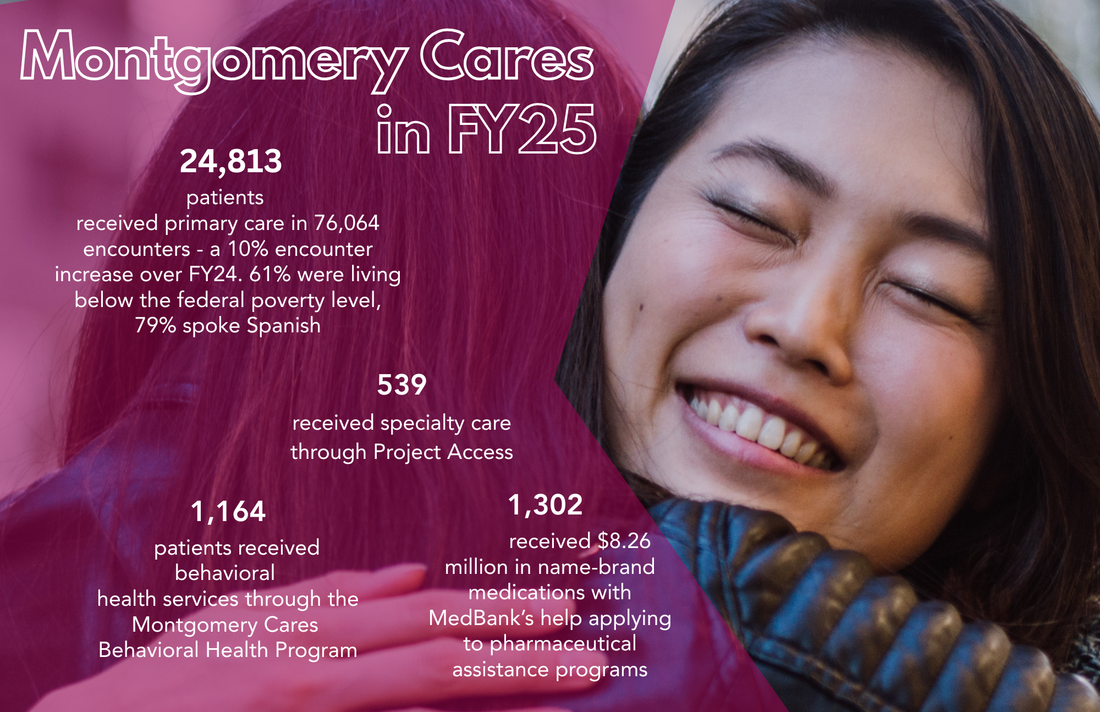
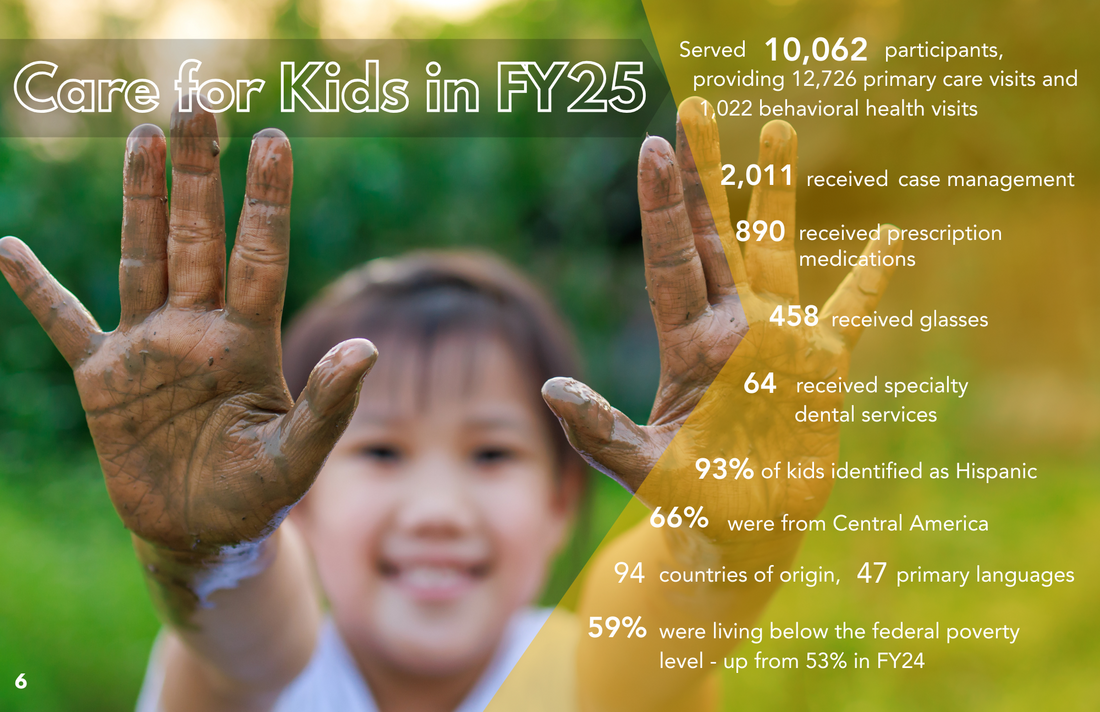
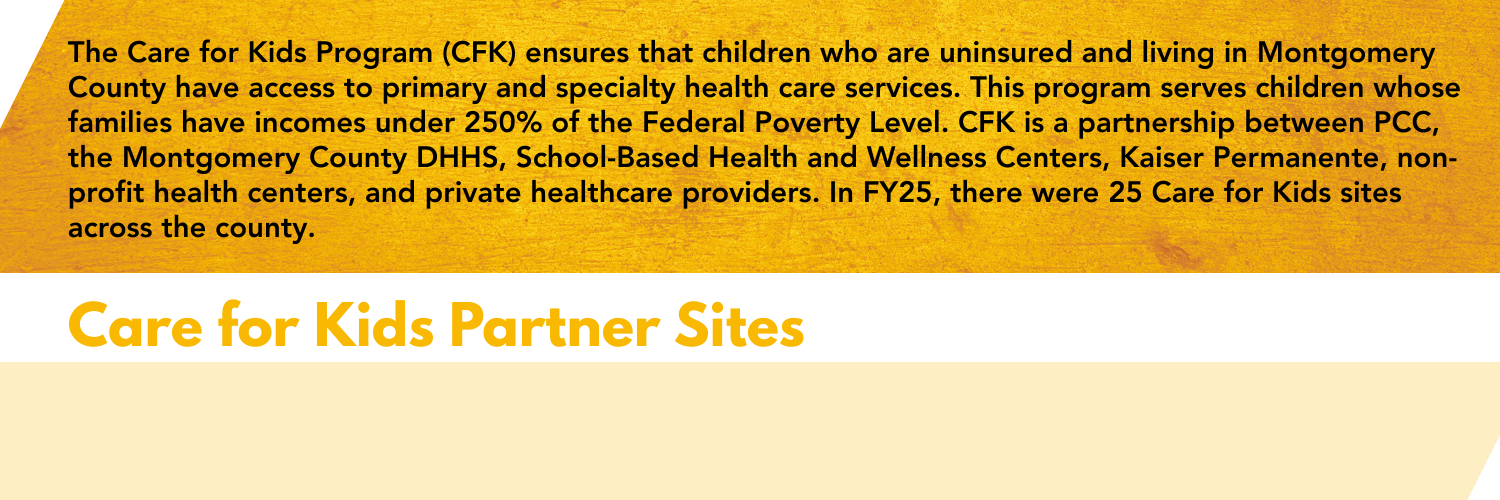
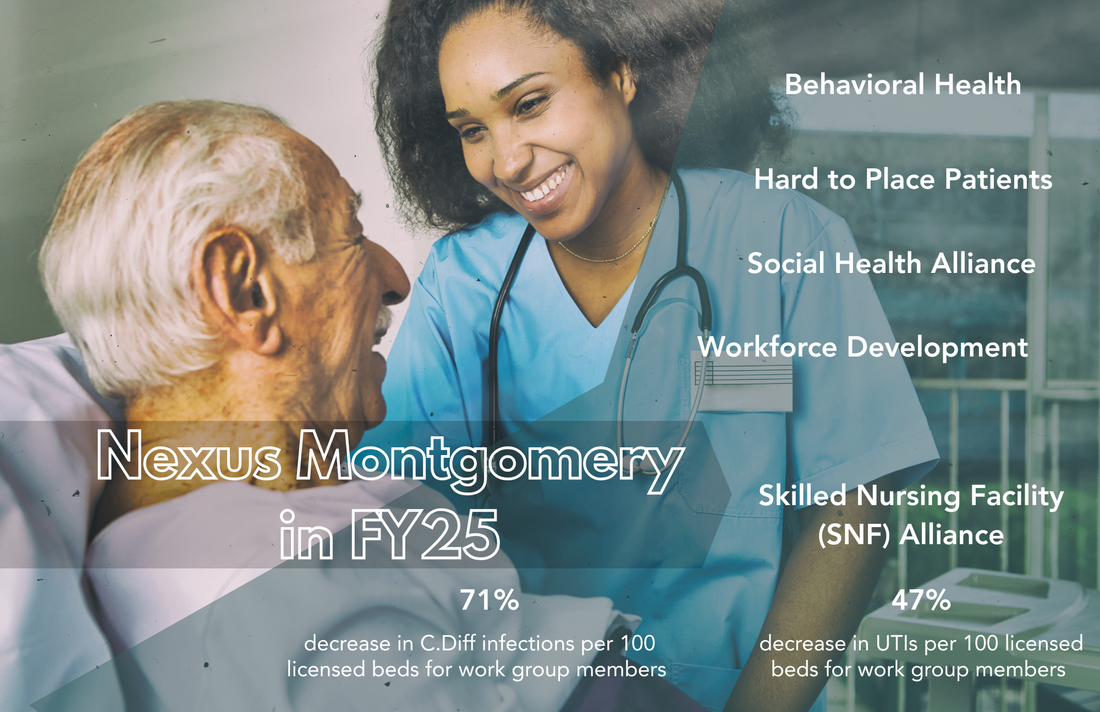
Programs in Brief - Montgomery Cares / Care for Kids /Nexus Montgomery
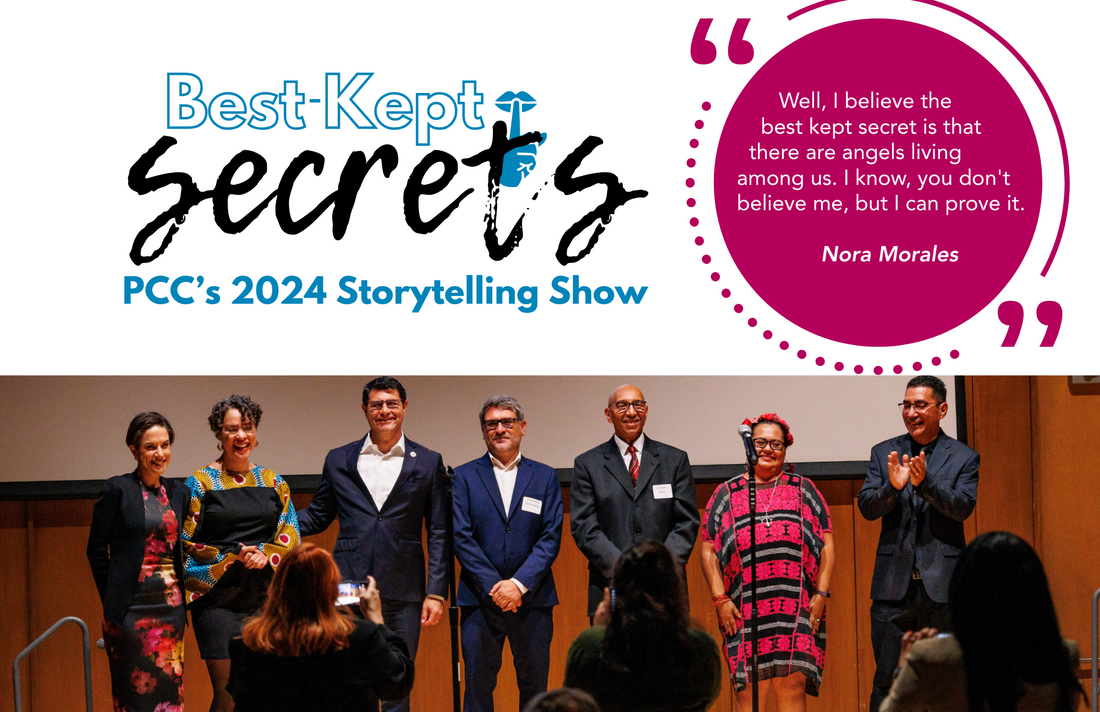
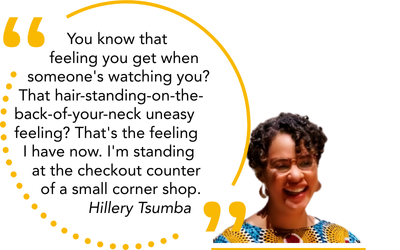
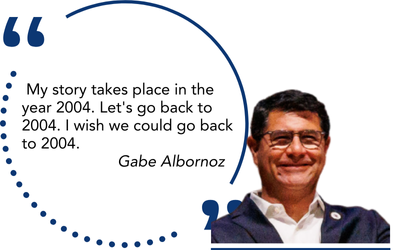
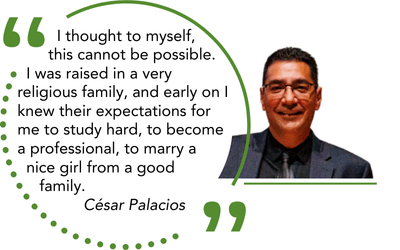
Best-Kept Secrets Storytelling Show
FY25-28 Strategic Plan
Achieve More Equitable Outcomes
Advance Solutions to Complex Healthcare Challenges
Workforce Profiles
Grow PCC Operational Excellence
People of PCC
Mary C. Jackson Award/Employee of the Year
Recognitions
Thank You/Keep in Touch
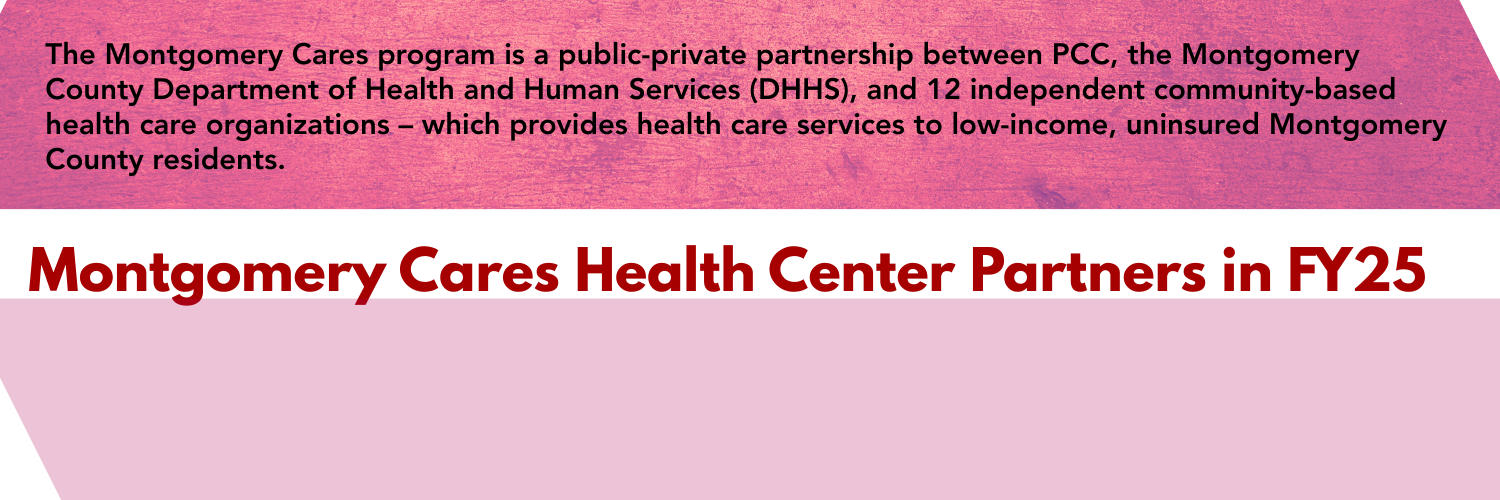
Care for Your Health
Casa Ruben, Inc
CCI Health & Wellness
Chinese Cultural and Community Center
Community Reach - Mansfield Kaseman Health Clinic
Holy Cross Health Centers
Mary’s Center
Mercy Health Clinic
Mobile Medical Care
Muslim Community Center Medical Clinic
Proyecto Salud
*Islamic Center of Maryland began onboarding in FY25 and joined the network in FY26
School Based Health & Wellness Centers:
Joanna Leleck at Broad Acres Elementary
Gaithersburg Elementary
Gaithersburg High
Harmony Hill Elementary
John F. Kennedy High
New Hampshire Estates Elementary
Northwood High
Rolling Terrace Elementary
South Lake Elementary
Summit Hall Elementary
Veirs Mill Elementary
Weller Road Elementary School
Wheaton High School
Kaiser Permanente in Kensington, Gaithersburg, Shady Grove, and Silver Spring
Contracted Healthcare Providers:
APlus Pediatrics, LLC
Casa Ruben, Inc
CCI Health & Wellness
Gold Pediatrics
Holy Cross Health Center
Mary’s Center
Mercy Health Clinic
Adelphi Nursing & Rehab.
Althea Woodland
Autumn Lake - Arcola
Autumn Lake - Chevy Chase
Autumn Lake - Oak Manor
Autumn Lake - Oakview
Autumn Lake - Silver Spring
Bedford Court
Brooke Grove Rehab. & Nursing
Carriage Hill Bethesda
Collingswood Rehab. & Healthcare
Complete Care at Hyattsville
Complete Care at Springbrook
Complete Care at Wheaton
Crescent Cities
Fairland Center
Fox Chase Healthcare
Friends Nursing Home
Hebrew Home of Greater Washington
Hyattsville Nursing & Rehab.
Kensington Healthcare Center
Layhill Nursing & Rehab.
MontCare Bethesda
MontCare Potomac
MontCare Wheaton
Montgomery Village Health Care
Potomac Valley Nursing & Rehab
Regency Care of Silver Spring
Shady Grove Nursing & Rehab.
Silver Spring HealthcareSligo Creek Healthcare
Sterling Care Bethesda
Sterling Care Hillhaven
Sterling Care Rockville
Tuckerman Rehab & Healthcare
The Village at Rockville
Wilson Health Care Center
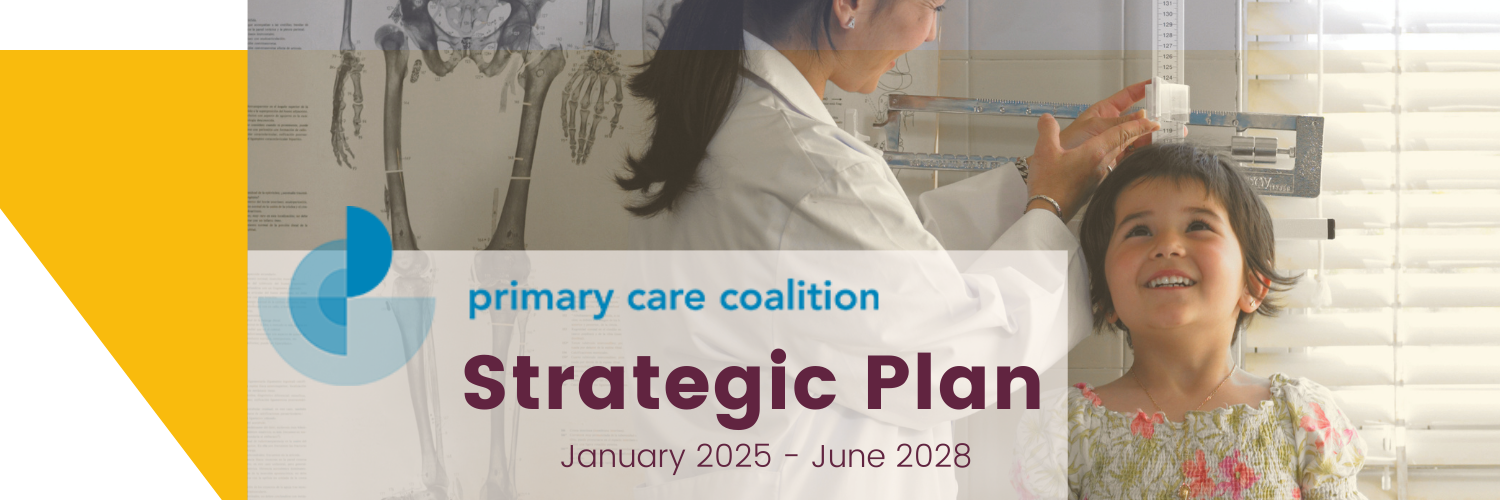
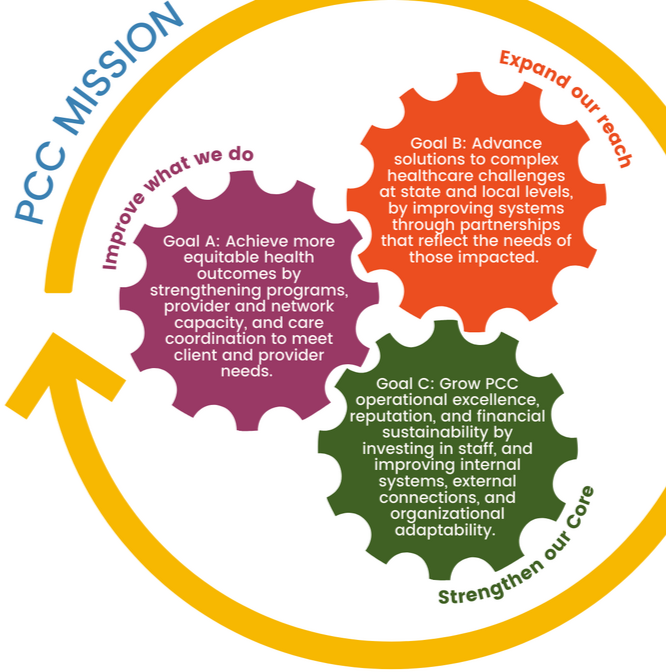
That was our first and most important strategic decision. Improving the health of vulnerable individuals and families by building partnerships and strengthening systems remains our mission.
The task of strategic planning is to answer a core question: How do we succeed in that mission, given the current environment?
Our 2025-2028 strategic plan focuses on three goals. These goals represent interlocking efforts to build our capacity, community value, and mission outcomes. Critical elements follow each goal to clarify the intent.
Our mission has not changed.
What are we building from this 3.5-year blueprint?
An ORGANIZATION with the adaptive strength to pursue its mission in a rapidly changing world.
SYSTEMS that work for the people within them, from service providers to end users or clients or patients.
Statewide SOLUTIONS that build on thirty years of local lessons and collaborative process.
Click here to read the plan in its entirety and here for more on our planning perspective.
Goal A: Improve what we do
Achieve more equitable health outcomes by strengthening programs, provider and network capacity, and care coordination to meet client and provider needs.
The problem is that after years spent surviving public health emergencies and low reimbursement rates, partner health centers are already running on fumes. In some ways, sharing that (authentic) message over the last few years is part of the problem, because officials see the system survive (through aggressive grant seeking, individual fundraising, and no small amount of hard work and luck) and think the problem isn’t real. But the health centers are not crying wolf, and this over-reliance on fundraising, or running deficits, cannot continue.
Our county advocacy efforts in FY25 focused on the provider capacity required for a functioning safety net and the risks of continued underinvestment:

Joint advocacy by PCC, the Health Centers Leadership Council, and the Montgomery Cares Advisory Board resulted in a ~$11/visit increase to the reimbursement rates our Montgomery Cares partner health centers receive. Reimbursement rates are still well below target, but it was an important step in a tight budget year.
Effective care isn’t just about total resources, of course, but how they’re deployed.

Health Services Survey
It is nearly impossible to collaborate effectively when you can’t confidently identify partner capacity. In FY25, PCC conducted the Healthcare Safety Net Services Survey to gain a 360-degree view of the services our partners offer. Having systemic information in hand unlocks our ability to create coordination mechanisms, prioritize funding and capacity building based on areas of greatest need, and encourage joint problem-solving by establishing shared ownership of interconnected outcomes. In other words, the survey creates the information infrastructure we need to work well together.
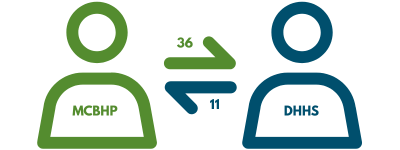
In FY25 our Mongomery Cares Behavioral Health Program (MCBHP), which provides integrated counseling services by PCC staff at partner health centers, began tracking how frequently we coordinate with Montgomery County DHHS-operated behavioral health programs. By tracking referrals into and out of MCBHP, we can see how frequently we interact with partners along the behavioral health services spectrum and gain new visibility into patterns of patient needs.
Behavioral Healthcare Continuum
Goal B: Expand our reach
Advance solutions to complex healthcare challenges at state and local levels, by improving systems through partnerships that reflect the needs of those impacted.
What’s one way of reflecting beneficiary needs? Centering them in the training process. Onboarding a new health center partner—in this case, the Islamic Center of Maryland—required a deep dive into the programs PCC administers and the workflows that support them. Instead of simple updates to existing materials, our healthcare access team used onboarding as an opportunity to plot service workflows across programs. Their focus was on documenting the ways multiple services may serve the same patient and promoting a deep understanding of network services as a comprehensive system. They even created sample patient personas to help ICM staff think through the multiple needs they are likely to navigate for a single patient.
Background:
Amina is 52 years old and was recently laid off from her retail job at Target. Her income is currently $0, and she cares for her elderly mother.
Amina is a longtime Montgomery County resident.
Amina does speak English but feels most comfortable speaking and reading in Mandarin.
Healthcare Needs: Amina believes she has strep throat and needs antibiotics.
Eligibility:
Since Amina is not employed, what options for documentation can she use to verify her income?
How many people would you consider as Amina’s household for determining FPL?
How do you ensure Amina can comfortably complete an application?
Medicine Access: What program will you use to make sure Amina gets the appropriate antibiotic?
We are working with the Maryland Department of Health between July 2024 and September 2028. Our scope of work includes direct collaboration with providers, hospitals, and patient and caregiver representatives from the District of Columbia’s Maryland suburbs, the Eastern Shore, and the Baltimore region to align healthcare processes with opportunities for supportive intervention and data collection. The work is designed to ensure a consistent flow of information so patients in need of support can receive it.
This work is possible through a grant from the Maryland Department of Health and the Health Services and Resources Administration (HRSA).
State-level systems:

Hospital-community partnership:
Our Social Health Alliance pilot plans to build on the current hospital screening point to create a more effective referral system. Many hospitals provide resource lists to patients who screen positive for social needs, but there is limited capacity for direct referrals. More importantly, hospitals have no visibility into provider capacity. If there is no way to direct patients to the best resource match, one food pantry might get multiple requests it cannot meet while another is underutilized. It’s a problem the Alliance aims to address, beginning with food insecurity.
When the project ends, hospitals should be better positioned to give tailored referrals for food assistance organizations ready to meet patient needs, and the network of organizations will have improved communication and coordination. We will also have a better idea of our overall food assistance needs in the community, as well as where they’re located. We will have an aligned approach to whole-person health.

Workforce Graduate Profiles
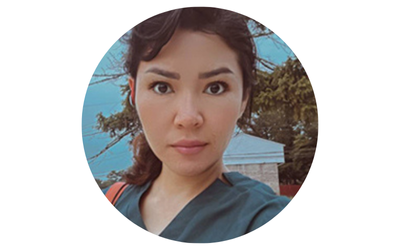
The happiness and pride in her mother's eyes when she saw Afshar in her uniform highlight the transformative power of educational possibilities, as well as the importance of perseverance and dedication in attaining one's goals. Afshar’s husband, Amanullah Rahimi, has supported her throughout her journey, and Fatima believes it has impacted her daughters, too: “They can see that dreams are worthwhile since they can come true.”
Fatima Afshar
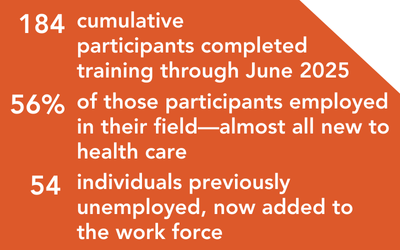
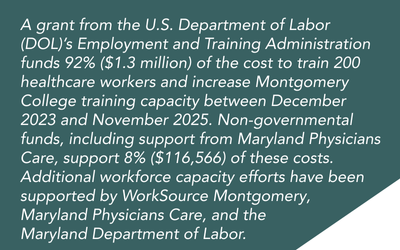
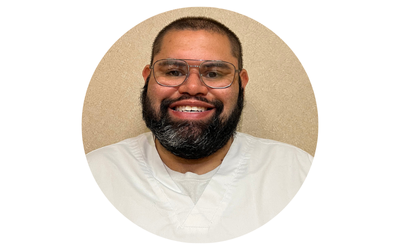
As he was progressing through the program and with graduation becoming more of a reality, Roberto realized he wanted to follow in his mother’s footsteps
and work in an emergency department.
“I appreciate that setting a lot because, many times, people are at their most vulnerable and they put a lot of trust in your hands. I find it really fulfilling to be able to assist someone in their time of need.”
Roberto Ricuarte
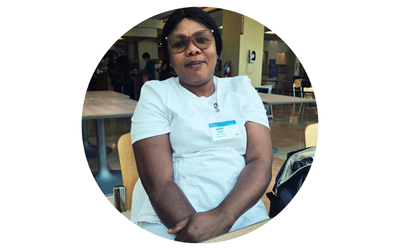
After graduating from the CNA training program at Montgomery College in early October (2024), Faith accepted an offer from Kensington Senior Living Center. Faith says, “I wouldn't be where I am now if it hadn't been for the support from my husband and friends, as well as the significant boost provided by PCC. I wish more people knew about it, since I know others are on the same path as me."
"It took me a while,” she says “but now finally I'm doing what I've always wanted to do: take care of people."
Faith Ibura Ideke

Goal C: Strengthen our core
Grow PCC operational excellence, reputation, and financial sustainability by investing in staff, and improving internal systems, external connections, and organizational adaptability.
PCC staff worked in FY25 to reimagine how we work and look for solutions that would enable us to work better. We chose more robust accounting software, more human resources tools, and a unified case management system across healthcare access programs, with rollout ongoing in FY26.
The people profiles that follow reflect the people and work these investments support.
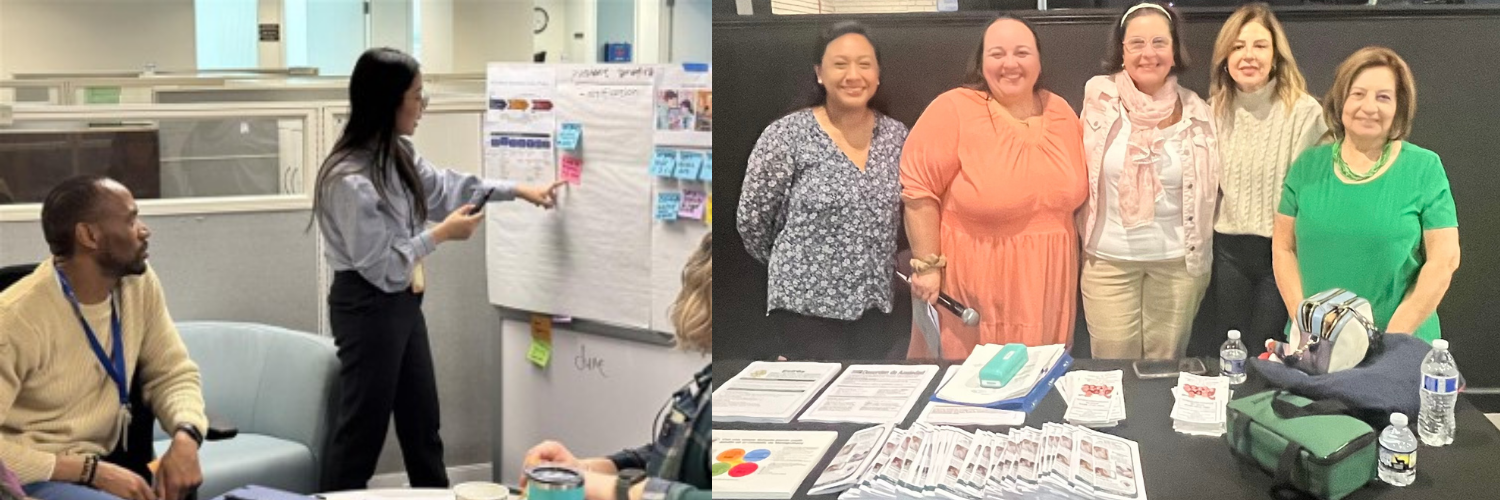
"I love what I do at PCC. Even though I don't work directly with patients, I feel connected to patients. I am behind the scenes, removing barriers for people."
Nelly Velazquez

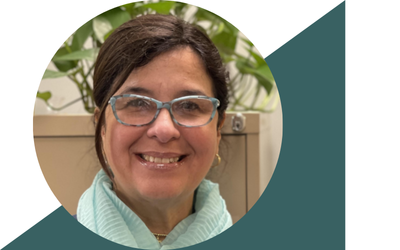
Providers have ideas to share about new systems and processes because they are the ones who work directly with patients and know how care can be delivered more efficiently. And patients want to be heard and understood."
Wenjing Zhang
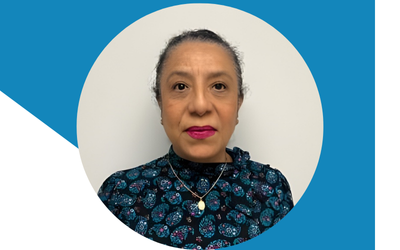
“To be working and serving the people who are most in need is a gift. Giving my time to others and making a difference in their lives is a win-win. As a community health worker, I educate residents about health issues... I guide them to life-saving information and medication and provide prevention advice. Prevention is the key to good health.”
Nilsa Benevides

“The challenges are actually the fun part, even though I do get frustrated at times and feel like pulling my hair out. Solving the mysteries and seeing the results—that’s where the real satisfaction lies. Securing the IT environment takes a lot of effort, but it’s essential.”
Fareed Anjum
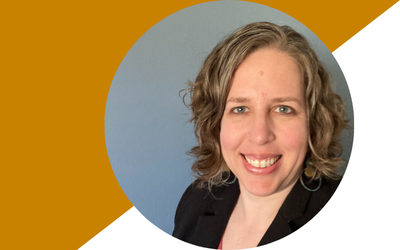
“What I love the most about my work is relationship-building with partners in the community. How we brainstorm and resolve complex cases, how we determine if we have the resources, and where we send someone for care are important decisions.
Tabitha Gingerich
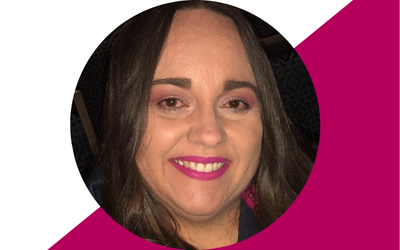
“I want to be a voice of the community. I want to ensure we implement programs and policies that really help people.”
Marisol Ortiz
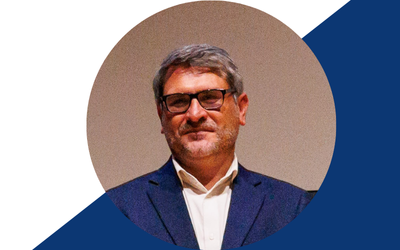
“I love helping our workforce students. When they get a job, that’s a big achievement. It sets them and their families on paths to economic stability and helps our community by increasing the number of healthcare workers.”
Haseeb Shinwary
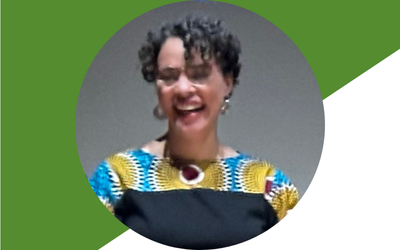
“My previous role was focused externally, and my new one involves human resources and financial management. I am excited about finding new ways to release the passion of our talent so that we can unleash the full potential of the Primary Care Coalition.”
Hillery Tsumba

Tabitha Gingerich was recognized for her exceptional work advocating for patients' needs and ensuring that healthcare staff have the resources to perform their duties. She played a key role in identifying a gap in women’s healthcare and developed a proposal to fill it. Using her clinical expertise and analytical skills, Tabitha outlined a process for complex gynecological care through Project Access for the nearly 100 low-income women estimated to need it annually.
Liza Greenberg was recognized for her unwavering dedication and substantial impact on underserved communities through her leadership of PCC’s Workforce Capacity Program. She expanded healthcare access and improved the economic future of underserved communities by guiding individuals into training for sustainable careers in healthcare. “Her work, enthusiasm, and compassion uplift the community and create opportunities for a stronger Montgomery County,” said colleague and PCC Administrative Manager Jamal Browne, who nominated Greenberg for the award.


Juhi Morrison
“I am a clinician at heart, and practicing as a physician assistant, it is gratifying to impact 20-30 patients a day. What I love most about my work now is that we can make a change in a program that helps hundreds and thousands of patients at once,” said Morrison. “That means a lot at the end of the day.”
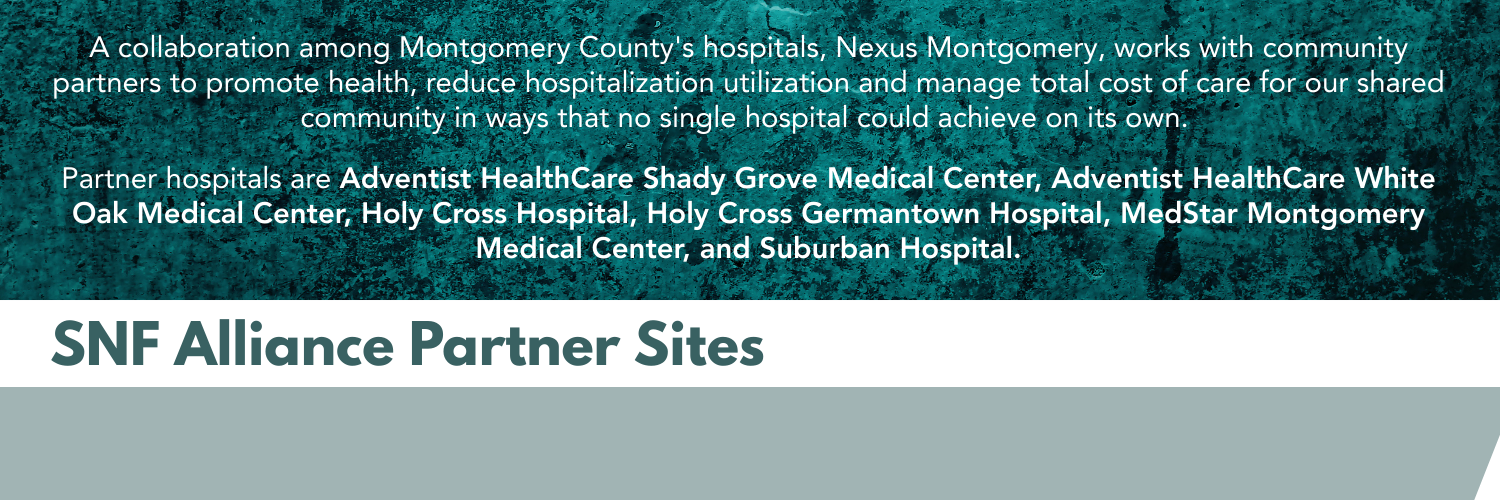
As the director of programs for Nexus Montgomery, Morrison spends most of her time overseeing two programs – the Skilled Nursing Facility (SNF) Alliance, which consists of 37 facilities that work together to decrease readmissions to Nexus hospitals, and the Hard to Place Patients (HTPP) program, which reduces the time patients remain in the hospital after being medically cleared for discharge.
Recognitions
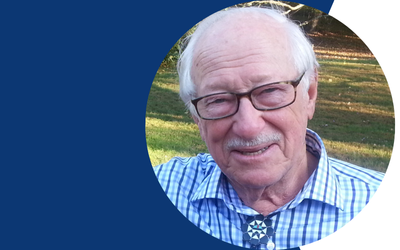
Bud Bernton
PCC co-founder Horace “Bud” Bernton, MD, died on June 12, 2025. Bud was an innovator, tinkerer, and life-long learner. After a career as a physician treating individual patients and building new ways to fund and access care, Bud dedicated his retirement years to healthcare access that served uninsured people consistently and well.
Bud was a learner who brought others along with him in the learning journey, always with the goal of improving lives. He co-founded the Primary Care Coalition (PCC) in 1993 specifically to ensure access to high-quality health care for uninsured and low-income adults and children. From the beginning, Bud was at the side of PCC staff, sharing his knowledge and together learning to measure and enhance the effectiveness of PCC programs.
The Bud Bernton Learning Fund (established in November 2025) keeps that lifelong learning spirit alive at PCC. It will support both individual and team member development projects and cohort-based training, and it will empower us to do our best work in pursuit of the healthier community Bud envisioned.
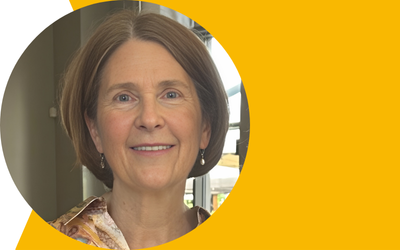
Leslie Graham
Leslie Graham was the public face of PCC for more than a decade. She has seen us through multiple federal administrations and even a global pandemic. Leslie oversaw PCC’s transition from a mission around developing a community-based healthcare system to one focused on building the many systems and partnerships necessary to support better health, from a vision focused on our local geography to a broader view of healthy community. She led us through not just the strategic planning to define our approach, but the operational planning to enact it. And she has combined her steadfast approach with an abiding sense of joy.
“When the PCC leadership torch passed to me in 2014, I said I knew I had big shoes to fill. I also knew I had my own feet and wore very different shoes.” Leslie remembers. “Stability is good, and so is change.”
We wish Leslie well in her next chapter of nonprofit consulting and more time with family and friends, with eternal gratitude for the shoes she leaves behind.

Thank you to the health center organizations, school-based health centers, private practice providers, hospitals, community-based organizations, public agencies, funders, and individuals who collaborate with us to build a healthier community.
Thank you for being our partners in community care.
PCC Board of Directors (June 2025)
Officers
Kevin Sexton, Chair
Steven Raetzman, Vice Chair
Kirsten Haalboom, Secretary
Ravi Melwani, Treasurer
Members
Uma Ahluwalia, MSW, MHA
Shawn D. Bartley, Esq.
Ron Bialek
Richard Bohrer, RAdm, USPHS
Ling Chin, MD, MPH, FACPM
Annice Cody (Ex Officio)
Jacy D’Aiutolo
Julia Doherty, MHSA
Jennifer Dreyfus, MBA, MBE
Ana Maria Espinoza, MD
Vahe Hovian
Tristram Kruger, DDS
Nishith Majmudar
Donna Perry, MD
Keon Stevenson, CPA
Ruth Enid Zambrana, PhD
BE AN EVERY-MONTH FRIEND

Don’t wait for year end to find out what’s happening. Sign up to our monthly e-newsletter, the Pulse, and our deeper-dive companion edition, Brainwaves. The companion series to our e-news, Brainwaves offers a deeper look at what’s happening in our community and beyond, and what lessons PCC can offer. Topics have included strategies for grant equity, solving for diffuse returns on public good investments, and closing the loop on referral programs. Sign up here.
And remember,
it isn’t just government and foundation funders who make our safety net possible. You can be a funding partner too. And whenever you feel discouraged by the challenges we face, remember this: A donation is a vote with your dollars, and you can make it any time, by mail, online, and more.
The Primary Care Coalition is a 501(c)3 nonprofit organization. Donations to PCC are tax deductible to the fullest extent allowed by law. A copy of our current financial statement is available by contacting the Primary Care Coalition: 8757 Georgia Avenue, 10th Floor, Silver Spring, MD 20910, (301) 628-3405, info@primarycarecoalition.org. Documents and information submitted to the State of Maryland under the Maryland Charitable Solicitations Act are available from the Office of the Secretary.
FY25 FINANCIAL STATEMENTS
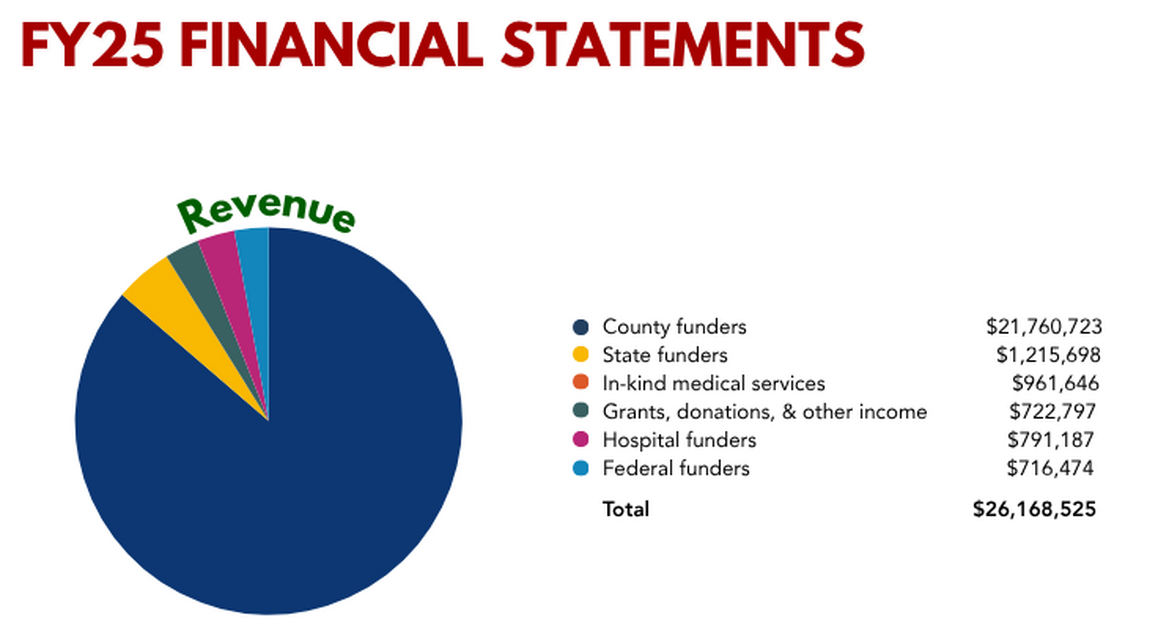
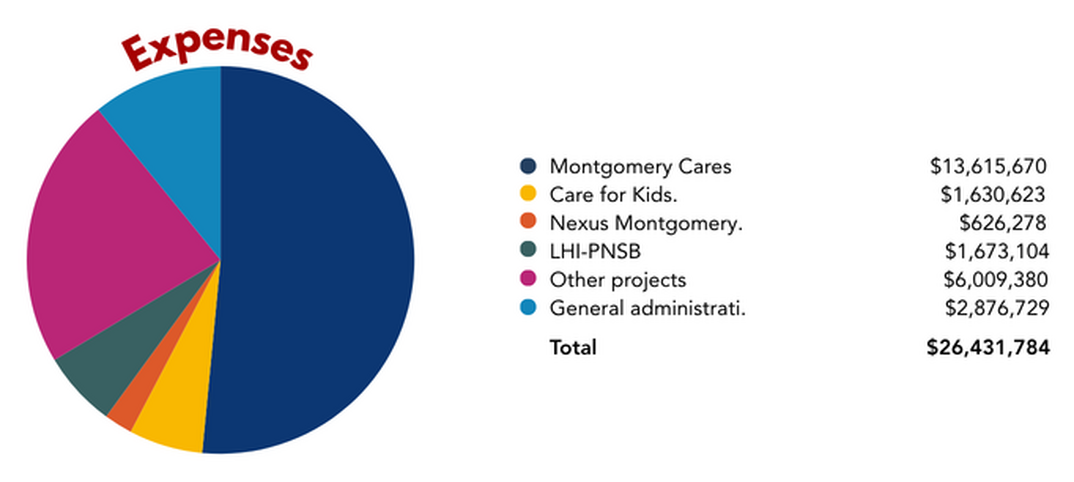
Prefer a pdf version? Click here.