
May is Asian American and Pacific Islander (AAPI) Heritage Month—a time to celebrate the cultures, histories, and contributions of AAPI communities across the United States. From the arrival of Chinese laborers in the 1800s to today’s vibrant and diverse communities, AAPI Americans have played a vital role in shaping our country, despite a long history of exclusion and marginalization (Washington Post).
AAPI in Montgomery County: Who We Are
Asian Americans make up nearly 15% of Montgomery County’s population, one of the highest percentages in Maryland (MoCoPAAN). The community includes a wide range of ethnic groups—including Chinese, Korean, Vietnamese, Indian, Filipino, and Nepali residents—and comprises both long-time residents and new immigrants.
Despite this growth and diversity, AAPI communities have long been underserved in public health and human services. In 2021, for example, only 25% of Asian adults with a mental health condition received care—compared to 52% of White adults (KFF). Additionally, AAPI health issues have historically been underfunded in research, accounting for just 0.2% of federal health-related grants between 1986 and 2000 (NIH). These gaps demonstrate the need for intentional, culturally competent investment.
A Historic Commitment from Montgomery County
PCC is proud to have partnered with the Asian American Health Initiative (AAHI), part of the Montgomery County Department of Health and Human Services, to launch and grow a suite of grant and capacity-building programs that have significantly advanced health equity for AAPI communities in Montgomery County.
This multi-year partnership reflects a historic commitment by the County to invest multi-million dollars in culturally and linguistically appropriate services—and we are honored to have helped shape and scale this infrastructure.
Turning Investment into Impact: Strengthening the AAPI Community Infrastructure
This historic commitment from Montgomery County is more than just funding—it’s about building lasting infrastructure. At PCC, we’ve translated this investment into direct support for AAPI-serving organizations, helping them not only deliver critical services but also grow their long-term capacity.
Through a combination of grantmaking and hands-on technical assistance, we work side by side with community leaders to strengthen programs, expand reach, and build the tools needed for sustainable impact.
Here’s how we do it:
1. Grantmaking: Fueling Culturally Responsive Services
We provide grants to support programming that reflects the cultural and linguistic needs of diverse AAPI communities. This funding has enabled local organizations to offer everything from healthcare navigation and food distribution to mental health support and anti-hate education.
Grantee Spotlight: Chinese American Community Health Services (CACHS)
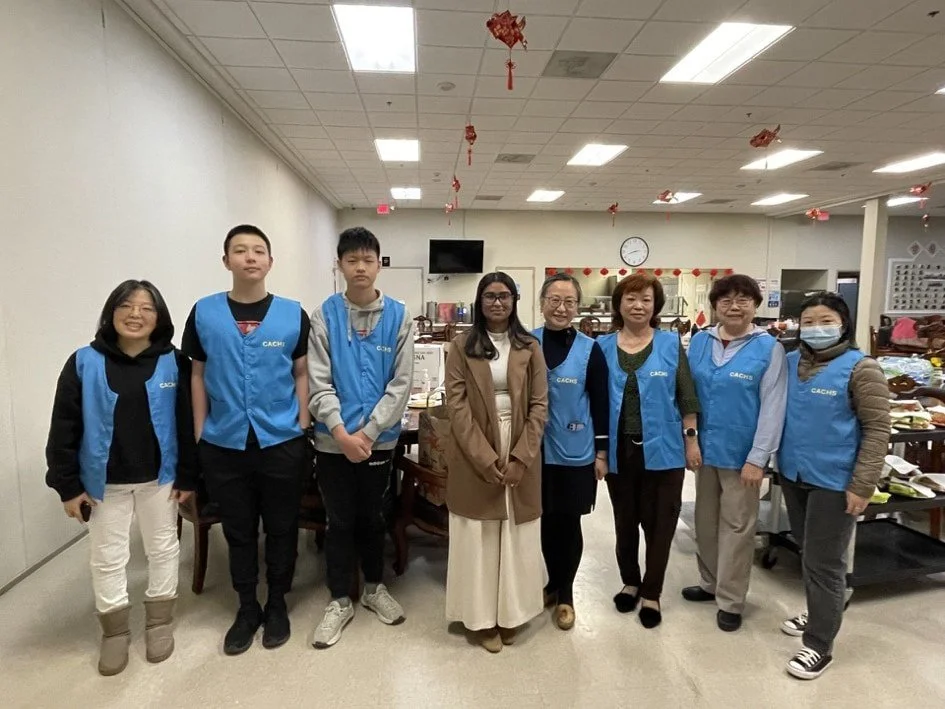
CACHS is a Healthy Communities Fund grantee dedicated to serving Montgomery County’s Chinese-speaking residents. With the grant funding, they’ve expanded their reach—offering daily communication assistance, English classes, transportation for seniors, culturally-tailored webinars and support groups, and staff training. These services help bridge access gaps while fostering deeper community engagement.
2. Capacity-Building: Strengthening Organizational Foundations
Beyond funding, we equip AAPI community-based organizations (CBO) with the knowledge and tools they need to grow. This includes data and evaluation training, technical assistance, and one-on-one consultations that help organizations better measure impact and advocate for continued support.
Data Consultation Spotlight: Muslim Community Center (MCC)
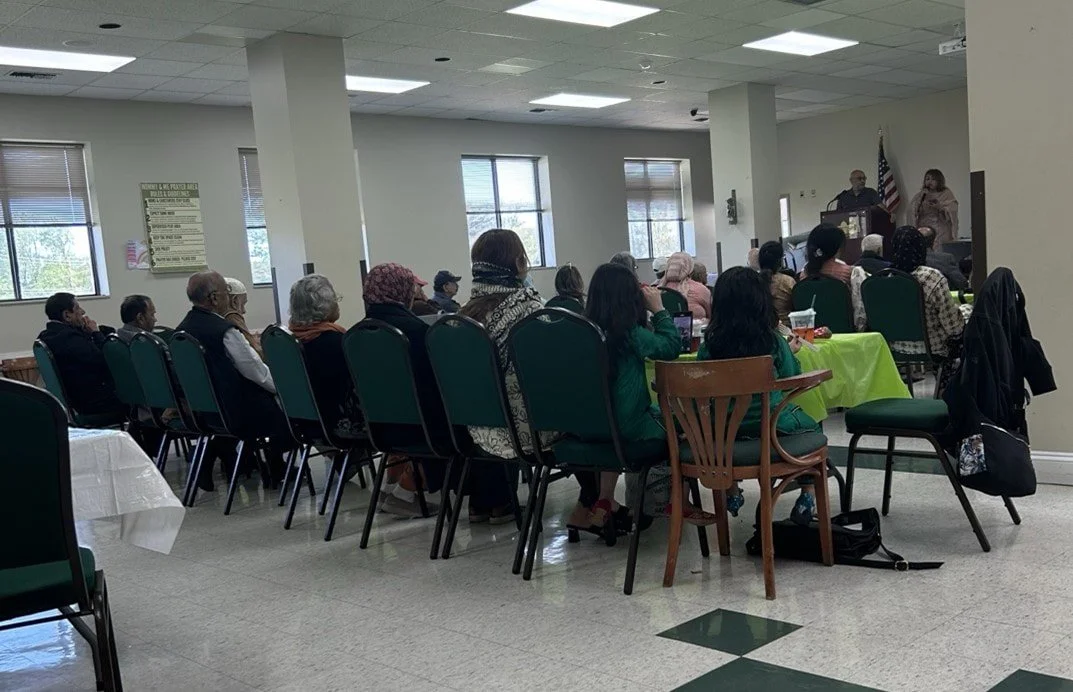
The Muslim Community Center (MCC), whose mission is to improve health outcomes for uninsured patients in Montgomery County, partnered with PCC to deepen their use of data in service delivery. Through our consultation, MCC began identifying internal disparities, enhancing outreach, and integrating tools like CRISP (Maryland’s health information exchange), and FindHelp. They also received training in Excel and report-building to support value-based care and community advocacy. Their collaboration with groups like Vietnamese American Services (VAS) and the Montgomery County Muslim Foundation (MCMF) shows how data can power coalition-building and systems change.
Data Bootcamp Highlight: CAPA-MC (Chinese American Parents Association of Montgomery County)
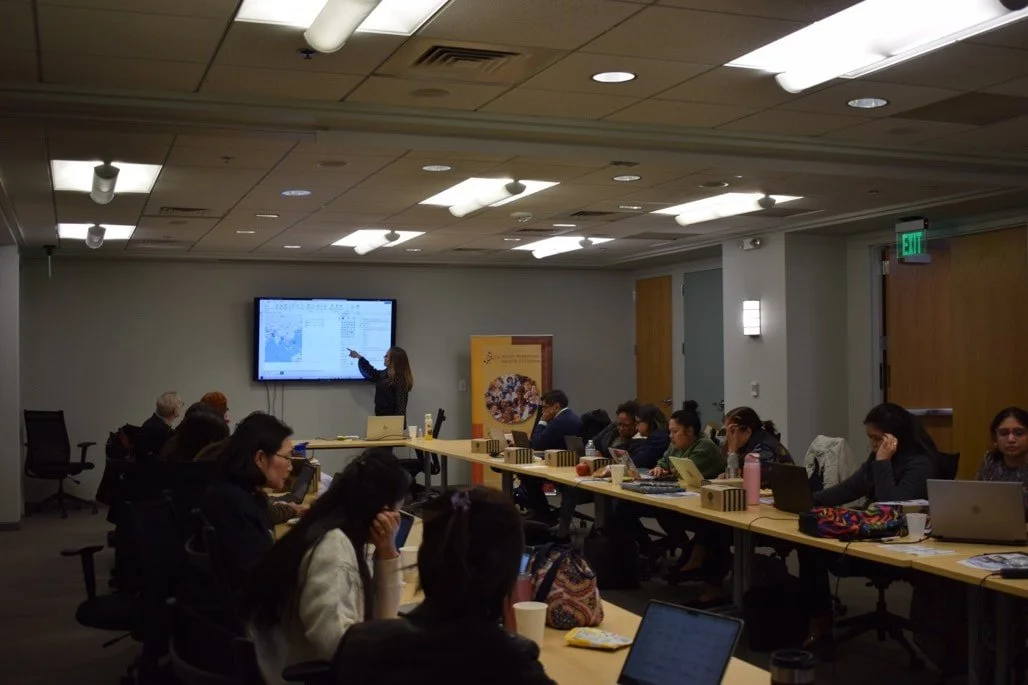
Volunteers from CAPA-MC—a dynamic community-based organization empowering Chinese American parents, many of them first-generation immigrants—jumped into our annual two-day Data Bootcamp packed with hands-on learning. Offered once per grant period, this year’s training equipped participants with practical skills in Excel and Power BI to supercharge their ability to track engagement and evaluate programs. “These skills will help us dramatically in building our member database,” shared volunteer Jingfeng Huang. Designed for smaller, often volunteer-led groups, workshops like this are all about giving grassroots organizations the tools and confidence they need to grow and thrive.
Reflecting on the Journey & Looking Ahead
PCC is honored to have played a key role in launching programs at a pivotal moment—during the height of the COVID-19 pandemic—when AAPI communities faced unprecedented challenges and rising hate incidents. As a trusted community intermediary, we helped get these programs off the ground quickly, equitably, and with a deep understanding of grassroots needs.
Our role has been to incubate innovative, community-centered models—supporting culturally responsive care, building data capacity, and elevating the voices of AAPI-serving organizations. We are proud of what this partnership has accomplished and the groundwork it has laid.
As we look to the new fiscal year, the program is entering a new chapter—one that moves toward more structured, institutionalized support within county government. This transition marks an important evolution. The needs of AAPI communities are real, growing, and long overlooked. They deserve not just a one-time response, but sustained public infrastructure that reflects their contributions and ensures lasting equity.